
Healthcare providers are under more pressure than ever to deliver faster, more accurate care while managing rising patient volumes. Recent industry data shows that clinics using digital scheduling and records tools cut administrative errors by nearly 30%, while practices report saving an average of 5 to 8 hours per week on manual paperwork after adopting a clinic management system. These numbers explain why more independent clinics, multi-location practices, and hospital networks are moving away from spreadsheets and paper charts toward integrated software built specifically for patient care workflows.
This shift is not just about convenience. When administrative tasks slow down, patient care slows down with them. Missed appointments, duplicate records, delayed billing, and communication gaps all trace back to outdated systems that were never designed to scale with modern patient expectations. The right software closes these gaps, giving clinical staff more time with patients and giving patients a smoother, more transparent experience from booking to follow-up.
What Is a Clinic Management System?
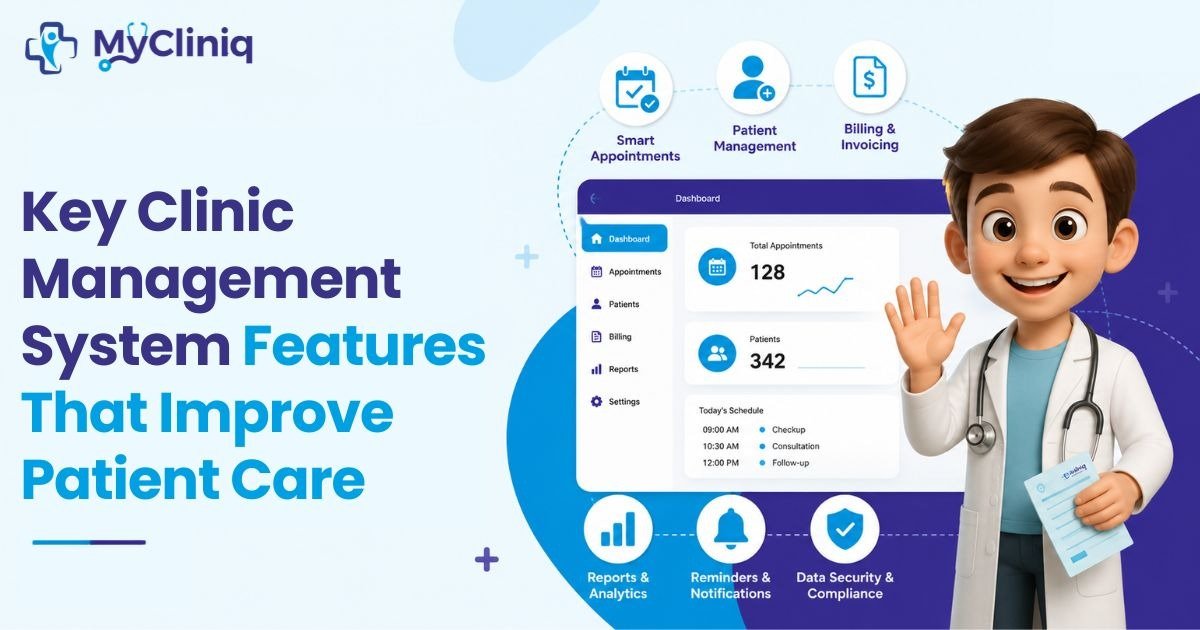
A clinic management system is software that centralizes the daily operations of a medical practice, including scheduling, patient records, billing, and communication, into one connected platform. Instead of juggling separate tools for each task, staff work from a single dashboard that keeps information accurate and accessible across the entire care team.
Why Clinic Management Systems Matter for Modern Healthcare
Reducing Administrative Burden
Clinical staff spend a significant portion of their day on non-clinical tasks. Automating routine work frees them to focus on what matters most, which is patient outcomes.
- Fewer manual data entry errors
- Faster patient check-in and checkout
- Reduced staff burnout from repetitive tasks
- More consistent documentation across providers
Meeting Rising Patient Expectations
Patients increasingly expect the same convenience from healthcare that they get from other digital services, including online booking, instant confirmations, and clear billing summaries. Clinics that fail to modernize risk losing patients to competitors who make the entire care journey easier to navigate, from the first phone call to the final follow-up visit.
Supporting Better Clinical Coordination
Multi-provider clinics and specialty practices often struggle with fragmented communication between departments. A connected system ensures that referrals, test results, and treatment notes move smoothly between teams, cutting down on delays that can directly affect patient outcomes.
Core Features That Directly Improve Patient Care
Centralized Patient Management System
A strong patient management system keeps demographic details, visit history, medications, and allergies in one place, so every provider on a case has the full picture before walking into the room. This reduces repeat questions for patients and lowers the risk of missed details during handoffs between departments.
Electronic Health Records Integration
Digital electronic health records eliminate the delays and legibility issues tied to paper charts. Providers can pull up lab results, imaging, and treatment history instantly, which shortens diagnosis time and supports better clinical decisions during time-sensitive visits.
Smart Appointment Scheduling
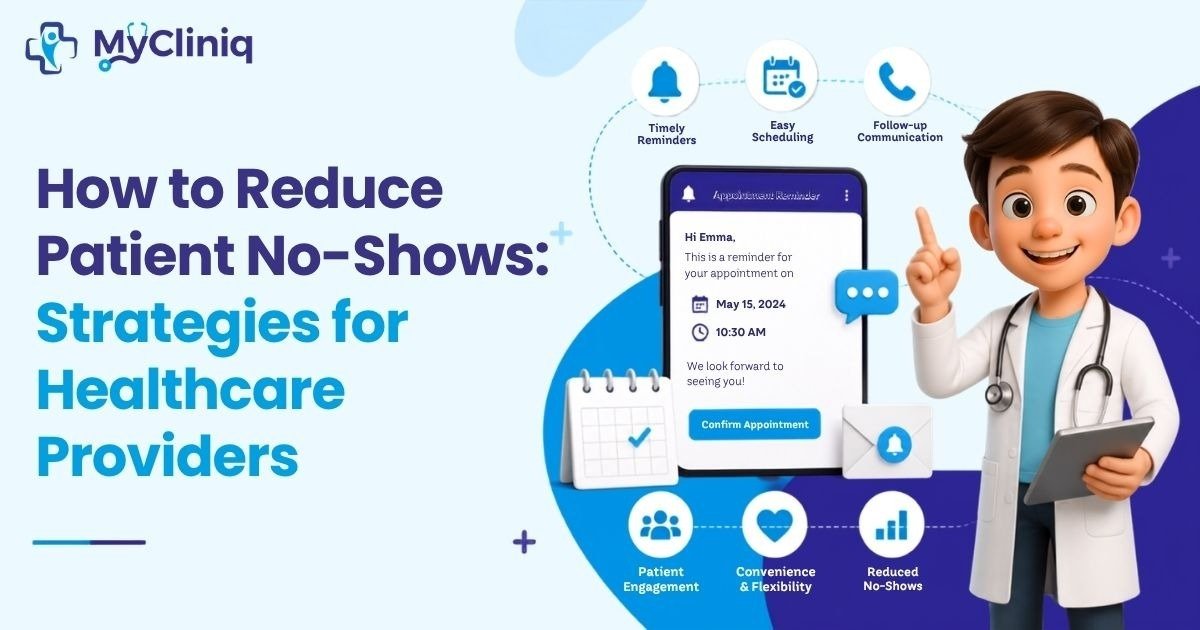
Appointment scheduling software reduces no-shows through automated reminders and simplifies rebooking for patients managing ongoing treatment plans.
- Online self-scheduling reduces phone call volume
- Automated SMS and email reminders lower no-show rates
- Waitlist automation fills last-minute cancellations
- Recurring appointment templates support chronic care management
Integrated Medical Billing
Medical billing software connects directly to clinical records, so claims are generated with accurate codes the first time. This reduces claim rejections, speeds up reimbursement, and gives patients clearer, faster invoices instead of confusing paper statements weeks after their visit.
Telemedicine Capabilities
Built-in telemedicine integration allows clinics to offer virtual visits for follow-ups, medication checks, and minor consultations without requiring separate software. This is especially valuable for patients in rural areas or those managing mobility limitations.
Healthcare CRM Tools
A built-in healthcare CRM helps clinics track patient communication history, send preventive care reminders, and personalize outreach based on a patient’s specific conditions or upcoming needs, strengthening long-term patient relationships beyond a single visit.
Advanced Practice Management Software
Comprehensive healthcare practice management software ties together staffing, inventory, reporting, and compliance tracking, giving clinic administrators a real-time view of operations without pulling data from multiple disconnected tools.
Frequently Asked Questions
What is the main purpose of a clinic management system? Its main purpose is to unify scheduling, records, billing, and communication into one platform so clinical staff spend less time on administrative work and more time on direct patient care.
Does a clinic management system improve patient safety? Yes. Centralized records reduce the risk of missed allergies, medication conflicts, or incomplete history during transitions between providers.
Can small clinics benefit from this software, or is it only for large hospitals? Small clinics often see the fastest return, since automating scheduling and billing removes tasks that previously required dedicated administrative staff.
Key Takeaways
- A clinic management system reduces administrative errors and frees up staff time for patient care.
- Centralized patient records and EHR integration support faster, safer clinical decisions.
- Automated scheduling and billing tools directly reduce patient frustration and no-shows.
- Telemedicine and CRM features extend care beyond the physical visit.
- The right combination of features turns daily operations into a driver of better health outcomes, not just efficiency.
Clinics that invest in the right combination of these tools are better positioned to meet rising patient expectations while reducing the operational strain on their teams. As healthcare continues shifting toward digital-first experiences, the clinics that adapt earliest will be the ones best equipped to deliver consistent, high-quality patient care at scale.