

Introduction
A patient no-show occurs when someone fails to attend a scheduled appointment without notifying the provider in advance. No-shows are a persistent challenge for healthcare practices of every size, and the numbers make the scale of the problem clear. Studies estimate that no-show rates across U.S. healthcare range between 5% and 30% depending on specialty, and missed appointments cost the healthcare system an estimated $150 billion every year. Beyond the financial hit, no-shows disrupt staff productivity, delay patient outcomes, and create scheduling inefficiencies that ripple through an entire practice. Fortunately, proven strategies and modern technology can help providers significantly reduce missed appointments while improving the overall patient experience.
What Is a Patient No-Show?
Definition of a Patient No-Show
A no-show is different from a cancellation or a late arrival. A cancellation happens when a patient notifies the office ahead of time, while a late arrival still results in the patient being seen, just outside the scheduled window. A no-show, by contrast, means the patient simply never arrives and gives no notice at all. Common examples include patients forgetting their appointment entirely or deciding not to come without informing the front desk.
Why Reducing No-Shows Matters
Missed appointments create ripple effects throughout a practice:
- Lost revenue from unfilled appointment slots
- Wasted time that could have gone to another patient
- Delayed diagnosis or treatment for the patient who missed care
- Increased administrative burden from rescheduling and follow-up calls
Why Do Patients Miss Medical Appointments?
Common Reasons for Patient No-Shows
Patients miss appointments for a variety of reasons, many of which are preventable with the right systems in place:
- Simply forgetting the appointment date or time
- Conflicting work or family obligations
- Lack of reliable transportation
- Long wait times during previous visits
- Financial concerns about the cost of care
- Anxiety or fear related to a diagnosis or procedure
- Poor communication from the provider’s office
Which Patients Are Most Likely to Miss Appointments?
Certain patient groups tend to have higher no-show rates than others. New patients who haven’t yet built a relationship with a provider are more likely to skip a first visit. Patients managing chronic conditions may miss appointments due to fatigue or frustration with ongoing care. Elderly patients often face transportation or mobility barriers, while patients dealing with socioeconomic challenges may deprioritize appointments due to cost or competing responsibilities.
10 Effective Strategies to Reduce Patient No-Shows
1. Send Automated Appointment Reminders
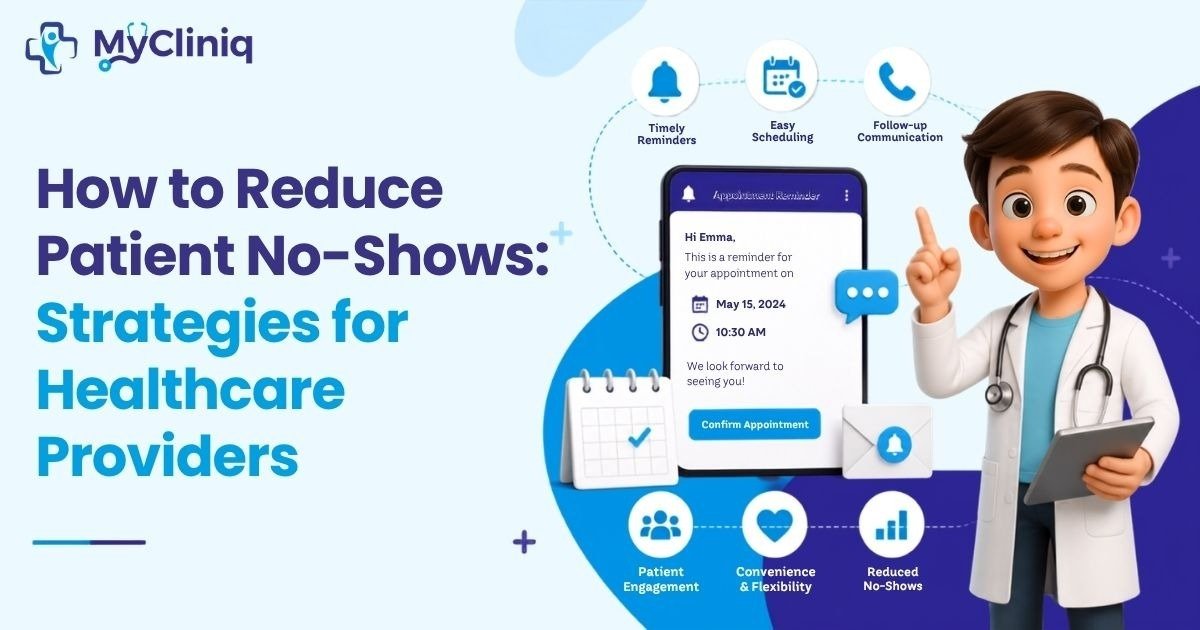
Automated appointment reminders sent via SMS, email, or voice call are one of the simplest and most effective ways to cut down on missed visits. Timing matters here too, since reminders sent 24 to 48 hours in advance, along with a same-day nudge, tend to produce the best results.
2. Allow Easy Appointment Confirmation and Rescheduling
Giving patients a one-click way to confirm or reschedule removes friction from the process. Online rescheduling portals and mobile-friendly booking systems make it far easier for patients to adjust their plans instead of simply not showing up.
3. Implement Online Patient Scheduling
Online patient scheduling allows patients to book, adjust, or cancel appointments at any hour, without waiting for office hours or a callback. This convenience reduces administrative workload for staff while giving patients more control over their own care.
4. Use Multiple Communication Channels
Not every patient responds to the same method of contact. Practices that combine text messages, emails, phone calls, and secure patient portal notifications tend to reach a wider range of patients and reduce the chance that a reminder goes unnoticed.
5. Educate Patients About Missed Appointment Consequences
Helping patients understand how missed visits affect their health, and the continuity of their care, can encourage more responsible scheduling habits. Clearly communicating clinic policies around missed appointments also sets expectations early.
6. Reduce Waiting Times
Long wait times during past visits are a common reason patients skip future ones. Streamlining scheduling workflows and avoiding overbooking helps create a smoother, more respectful patient experience that encourages return visits.
7. Introduce Telehealth Options
Telehealth solutions give patients a flexible way to access care without the burden of travel or time off work. Virtual consultations are especially useful for follow-ups, medication management, and check-ins that don’t require an in-person visit, and they often result in higher attendance rates.
8. Establish a Clear Cancellation Policy
A well-defined cancellation policy sets clear expectations for advance notice and, where appropriate, missed appointment fees. Transparent communication about these policies from the very first visit helps patients take scheduled appointments more seriously.
9. Analyze No-Show Patterns Using Data
Reviewing scheduling data allows practices to identify high-risk patients, peak no-show times, and recurring trends. This kind of analysis often works hand in hand with patient scheduling software, which can flag patterns that would otherwise go unnoticed by staff.
10. Build Strong Patient Relationships
Personalized communication and consistent follow-up build trust over time. Patients who feel genuinely cared for by their provider are more likely to prioritize their appointments and communicate proactively if something changes.
What Is the Average Patient No-Show Rate?
No-show rates vary widely by specialty and patient population. Primary care practices often report rates between 5% and 15%, while behavioral health and dental practices can see rates as high as 20% to 30%. Factors like appointment lead time, patient demographics, and reminder systems all influence these numbers. Providers can measure their own patient no-show rate by dividing missed appointments by total scheduled appointments over a given period, giving them a clear benchmark to track improvement.
Key Metrics Healthcare Providers Should Track
To manage and reduce missed visits effectively, providers should regularly monitor:
- No-show rate
- Cancellation rate
- Appointment confirmation rate
- Rescheduling rate
- Patient satisfaction score
- Revenue lost from missed appointments
Tracking these metrics consistently, especially alongside adoption of patient engagement software, gives practices the visibility needed to spot problems early and adjust their approach.
Conclusion
Reducing patient no-shows requires a combination of clear communication, thoughtful policy, and the right technology working together. From automated reminders to flexible scheduling and telehealth options, healthcare appointment scheduling has evolved well beyond the traditional phone call and paper calendar. By adopting these ten strategies and closely tracking key performance metrics, healthcare providers can protect revenue, improve staff efficiency, and most importantly, ensure patients receive the timely care they need.