

Running a successful dental practice takes more than clinical skill. Studies show that nearly 30 percent of dental appointments are affected by scheduling inefficiencies or no-shows, costing practices thousands of dollars in lost revenue every year. Beyond the financial impact, disorganized operations often lead to longer patient wait times, frustrated staff, and lower retention rates. Common challenges include juggling appointment calendars, managing paperwork, training staff consistently, and keeping up with compliance requirements, all while trying to deliver a great patient experience. This guide walks through the core components of efficient dental clinic management, practical strategies for scheduling and technology, and the key metrics every practice owner should track to support long-term growth.
What Does Efficient Dental Clinic Management Mean?
Key Components of a Well-Managed Dental Practice
Efficient clinic management touches nearly every part of daily operations, including:
- Patient experience from check-in to checkout
- Appointment scheduling and calendar coordination
- Staff management and role clarity
- Financial control over billing and collections
- Technology adoption for records and reporting
- Compliance and record management
Benefits of Efficient Dental Clinic Operations
When these pieces work together, practices typically see:
- Improved patient retention through smoother visits
- Increased revenue from better chair utilization
- Reduced operational costs from fewer administrative errors
- Better staff productivity and lower turnover
Build an Effective Appointment Scheduling System
Optimize Patient Appointment Booking
A strong scheduling system starts with convenience. Practices should offer online appointment scheduling so patients can book without calling during office hours, work to reduce waiting times through realistic time slots that reflect actual procedure length, and create buffer slots to accommodate emergencies without disrupting the rest of the day. A well-structured calendar also makes it easier for front-desk staff to plan ahead rather than reacting to last-minute changes.
Minimize No-Shows and Last-Minute Cancellations
No-shows remain one of the biggest drains on clinic revenue. Reducing them usually requires:
- Automated appointment reminders sent a day or two in advance
- SMS and email notifications for added convenience
- Confirmation calls for more complex or critical procedures
Manage Patient Flow Efficiently
Smooth patient flow depends on staggering appointments based on treatment complexity, prioritizing urgent cases as they arise, and monitoring average consultation time to spot bottlenecks before they affect the whole schedule.
Implement Dental Practice Management Software
Essential Features to Look For
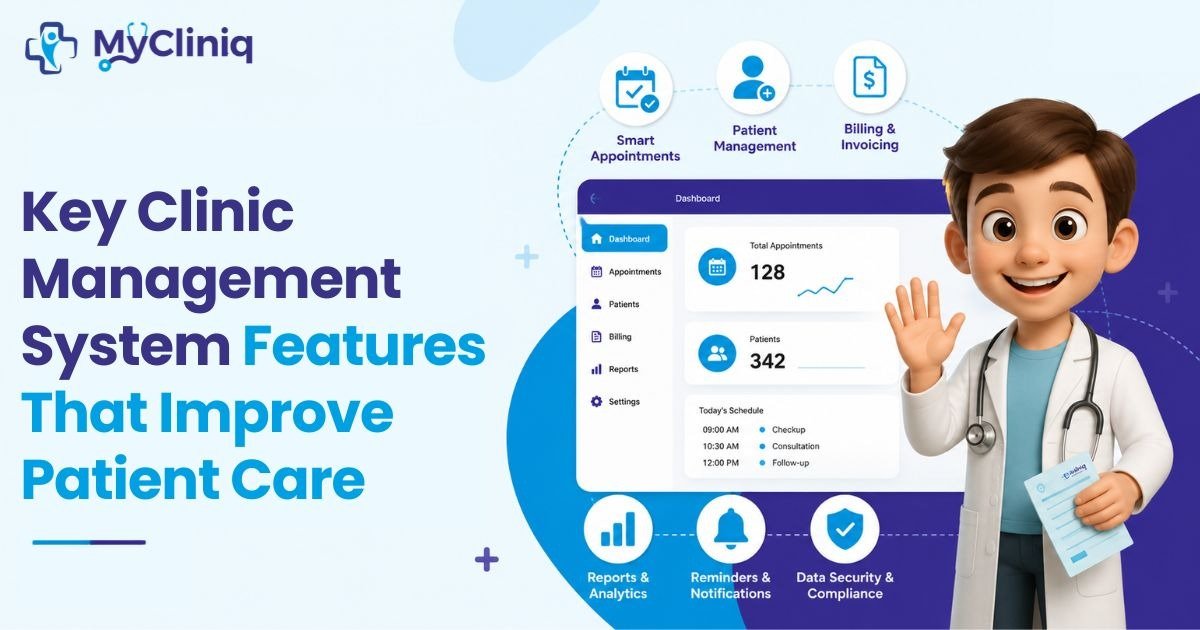
The right dental practice management software should include electronic health records (EHR), integrated appointment management, billing and invoicing tools, inventory tracking, and reporting and analytics dashboards.
How Technology Improves Clinic Efficiency
Good software reduces manual work across the front desk, centralizes patient information so staff aren’t searching through separate systems, and enhances communication between clinical and administrative teams. Over time, this also makes it easier to generate accurate reports for financial planning and staffing decisions, rather than relying on guesswork or scattered spreadsheets.
Improve Patient Experience and Satisfaction
Create a Patient-Centric Environment
Patient experience starts the moment someone walks in. Friendly front-desk interactions, comfortable waiting areas, and transparent communication about costs and procedures all shape how patients perceive the practice, and these small details often matter as much to overall satisfaction as the clinical outcome itself.
Enhance Patient Communication
Ongoing communication keeps patients engaged between visits through:
- Follow-up messages after treatment
- Treatment reminders for upcoming care
- Educational content sharing about oral health
Collect and Act on Patient Feedback
Practices that actively gather online reviews, send patient surveys, and maintain a clear complaint resolution process tend to catch small issues before they affect reputation.
Ensure Compliance, Safety, and Data Security
Follow Healthcare Regulations and Standards
Every practice must stay current on patient data privacy requirements, infection control protocols, and documentation standards required by health authorities. Falling behind on any of these areas can lead to penalties, so many clinics assign a dedicated compliance lead to review policies on a regular schedule.
Protect Patient Information
Protecting sensitive records involves secure digital storage, role-based access control so staff only see what they need, and regular data backups to prevent loss from technical failures.
Key Metrics Every Dental Clinic Should Track
Operational KPIs
- Patient wait time
- Appointment utilization rate
- Chair occupancy rate
Financial KPIs
- Revenue growth
- Average treatment value
- Collection rate
Patient KPIs
- New patient acquisition
- Patient retention rate
- Net Promoter Score (NPS)
Conclusion
Efficient dental clinic management comes down to aligning scheduling, technology, patient experience, and compliance into one coordinated system. Practices that adopt dental practice management software, streamline appointment workflows, and track the right operational, financial, and patient KPIs tend to grow faster while keeping patients satisfied. Clinic management is not a one-time fix but an ongoing process, and practice owners who regularly review their operations and stay open to new technology will be best positioned for sustainable, long-term growth.