

Healthcare is in the middle of a major digital transformation, with providers of every size moving away from paper records and outdated desktop systems toward smarter, connected technology. Cloud-based clinic software is a modern solution that stores patient data, scheduling information, and billing records on remote servers, allowing staff to access everything securely through the internet rather than a single on-site computer. Industry reports suggest that the global cloud healthcare market is projected to surpass $150 billion by 2030, growing at a compound annual rate of nearly 18%, and more than 80% of healthcare organizations now use at least one cloud-based application in daily operations. Providers are adopting these systems because they reduce costs, improve flexibility, and support better patient outcomes. This article explores the top benefits of cloud-based clinic software and what to look for when choosing the right solution for your practice.
What Is Cloud-Based Clinic Software?
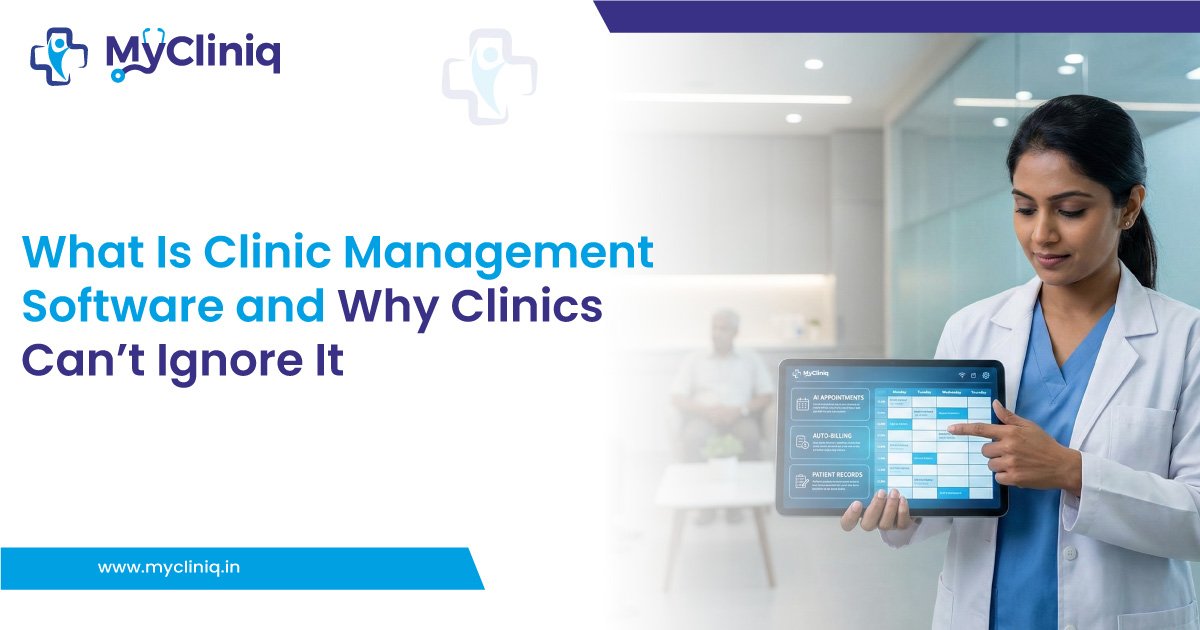
Cloud-based clinic software is hosted on remote servers and accessed through a secure internet connection, rather than being installed on a single local machine. This is different from traditional on-premise systems, which require physical servers housed within the clinic and dedicated IT staff to maintain them. With a cloud based approach, updates, backups, and maintenance are handled by the vendor, freeing up clinic staff to focus on patient care instead of managing hardware.
Key Features of Cloud Clinic Software
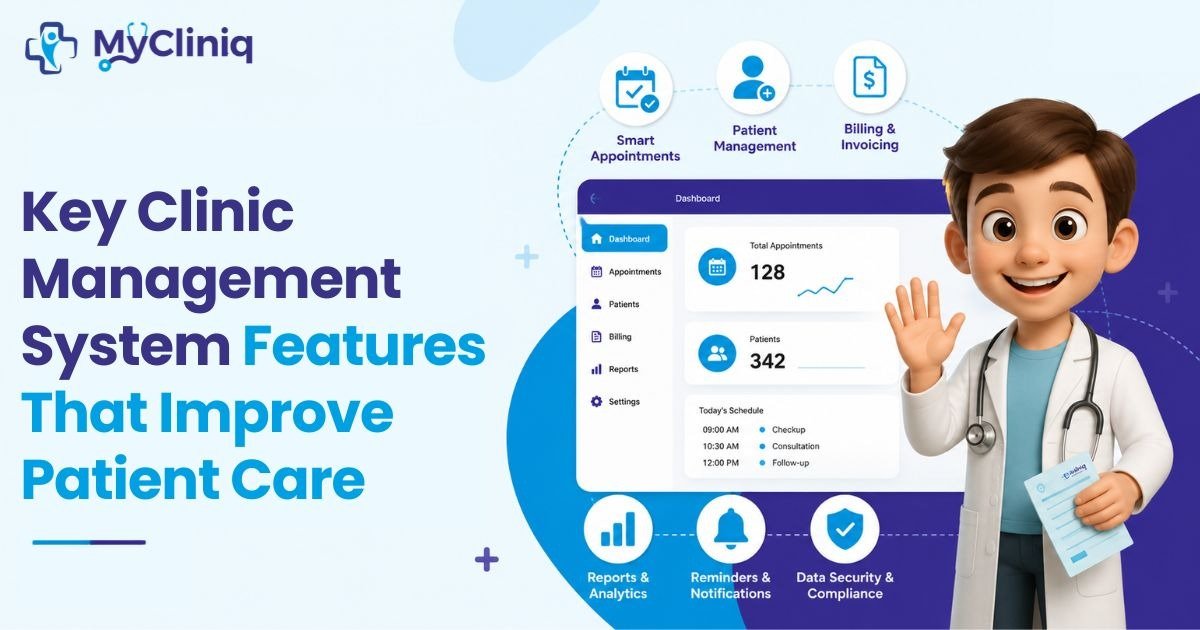
Most modern platforms combine several core functions into a single system, including:
- Patient records management
- Appointment scheduling
- Billing and invoicing
- E-prescriptions
- Telemedicine integration
- Reporting and analytics
Top Benefits of Cloud-Based Clinic Software
1. Access Patient Data Anytime, Anywhere
One of the biggest advantages of a cloud EMR software system is the ability to access patient records from multiple locations, whether staff are working from the main clinic, a satellite office, or home. This flexibility also enables remote consultations and telehealth visits, giving doctors and administrative staff far more freedom in how and where they work.
2. Reduced IT Infrastructure Costs
Moving to the cloud eliminates the need for expensive in-house servers and the ongoing maintenance that comes with them. Clinics benefit from:
- Lower hardware and maintenance expenses
- No need for a dedicated on-site IT team
- Predictable, subscription-based pricing models
This shift makes healthcare cloud solutions especially attractive to smaller practices that want enterprise-level technology without the enterprise-level budget.
3. Enhanced Data Security and Backup
Reputable providers of medical practice management software build in automatic backups, strong data encryption, and secure access controls that protect sensitive patient information. This also protects clinics against data loss from hardware failures, since records are stored safely off-site rather than on a single vulnerable machine.
4. Improved Appointment and Workflow Management
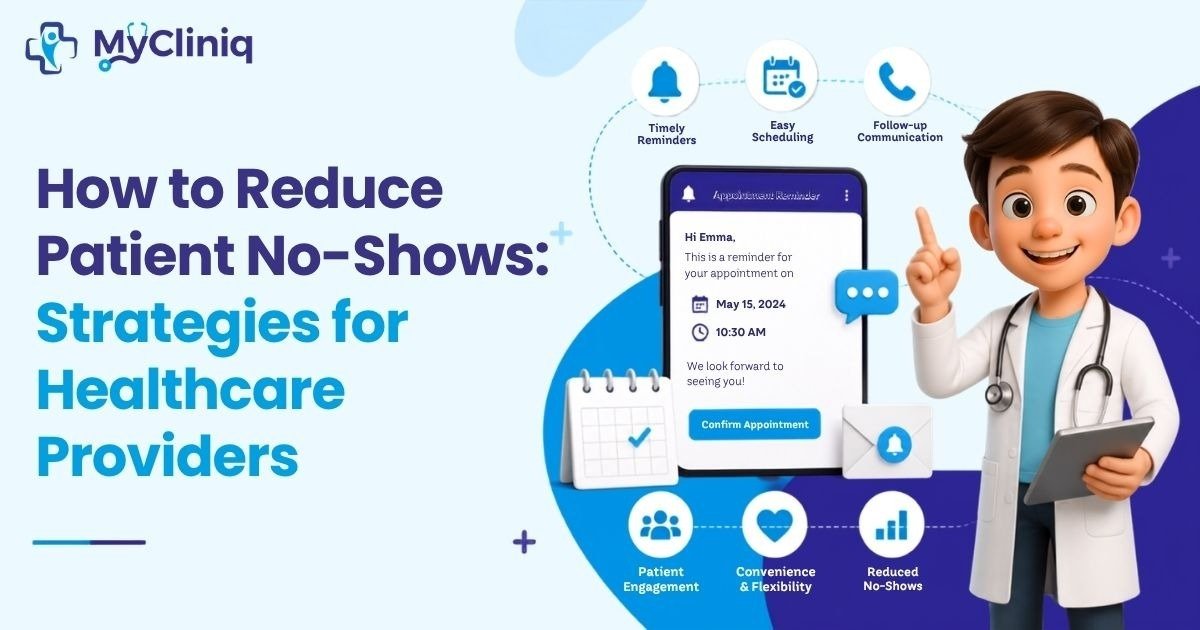
Cloud platforms streamline day-to-day operations by allowing patients to book appointments online and receive automated reminders through SMS and email. This kind of clinic automation software has been shown to meaningfully reduce no-show rates, keeping schedules full and reducing lost revenue from missed visits.
5. Better Collaboration Among Healthcare Teams
When patient information is shared in real time, doctors, nurses, and administrative staff can communicate more effectively across departments. This leads to faster clinical decision-making and a smoother overall care experience for the patient, since everyone involved is working from the same up-to-date information.
6. Scalability for Growing Clinics
As a practice grows, a cloud-based healthcare management system makes it simple to add new users, open additional locations, or turn on new features without a costly overhaul. Whether a clinic operates from a single location or manages several sites across a region, cloud infrastructure scales alongside it.
7. Faster Software Updates and Compliance Management
Cloud vendors handle updates automatically, usually without any downtime for the clinic. This also makes it easier to stay compliant with evolving healthcare regulations, since providers gain access to the latest security patches and feature updates as soon as they’re released, rather than waiting on a manual installation.
8. Improved Patient Experience
Patient portals give individuals more control over their own care, allowing them to self-register, book appointments, and view their medical history and prescriptions from a phone or computer. Faster check-ins and reduced paperwork also translate into shorter wait times and a more positive overall visit.
9. Supports Telemedicine and Remote Care
Modern clinics increasingly rely on telemedicine software to offer virtual consultations, secure video appointments, and remote patient monitoring. This has become especially valuable for follow-up visits and chronic condition management, where an in-person visit isn’t always necessary.
10. Real-Time Reporting and Analytics
Built-in analytics tools allow clinic administrators to track performance metrics, monitor revenue, and measure operational efficiency in real time. These insights help practices make data-driven decisions about staffing, scheduling, and resource allocation instead of relying on guesswork.
Key Factors to Consider When Choosing Cloud-Based Clinic Software
Security and Compliance Standards
Look for strong data encryption and confirmation that the platform meets relevant regulatory compliance standards for healthcare data protection.
Ease of Use
A good system should offer a user-friendly interface that requires minimal training, so staff can adopt it quickly without disrupting daily operations.
Integration Capabilities
Effective patient management software should integrate smoothly with existing tools, including:
- EHR and EMR systems
- Payment gateways
- Laboratory and pharmacy platforms
Vendor Support and Reliability
Reliable technical support and strong system uptime guarantees are essential, since any downtime can directly affect patient care and daily clinic operations.
Conclusion
Cloud-based clinic software offers a wide range of benefits, from reduced IT costs and stronger data security to better collaboration and improved patient experience. It brings together scheduling, billing, records, and telemedicine into one connected system that grows alongside a practice’s needs. As healthcare continues to shift toward digital-first operations, clinics that evaluate and adopt the right cloud solution will be better positioned for long-term efficiency, security, and quality patient care.