


Clinic Management Software is a digital tool that helps clinics run daily operations smoothly, from patient records to billing. According to recent healthcare IT reports, over 70% of clinics using digital management systems report improved efficiency, while clinics relying on manual processes face up to 30% revenue leakage due to errors and missed billing. Ignoring this software today leads to operational chaos, financial losses, and growing compliance risks.
What Is Clinic Management Software?
Clinic Management Software is a centralized digital platform that helps clinics manage patients, appointments, billing, staff, and compliance from one system.
In simple words, it replaces paperwork, registers, spreadsheets, and disconnected tools with one smart system. Clinics use it to manage:
- Patient records
- Appointments and scheduling
- Billing and payments
- Staff and daily operations
- Compliance, audits, and reports
Whether it’s a small practice or a large healthcare setup, the best clinic management software acts as the backbone of clinic operations.
How Does Clinic Management Software Work?
Core System Workflow
Most clinic systems follow a simple and logical flow:
- Patient Registration
Patient details, medical history, and contact information are stored digitally. - Appointment Scheduling
Doctors’ availability is managed, and appointments are booked without overlaps. - Clinical Documentation
Diagnoses, prescriptions, and treatment notes are recorded in real time. - Billing and Invoicing
Bills are generated automatically, including services, tests, and procedures. - Reports and Analytics
The system shows revenue, patient visits, and clinic performance data.
This workflow reduces manual work and keeps everything connected.
Cloud-Based vs On-Premise Systems
Cloud-Based Clinic Management Software
- Accessible from anywhere
- Automatic updates
- Lower upfront cost
- Ideal for modern clinics
On-Premise Systems
- Installed on local servers
- Full internal control
- Higher maintenance costs
- Limited remote access
Today, most clinics prefer cloud based clinic management software because it’s flexible, scalable, and easier to maintain.
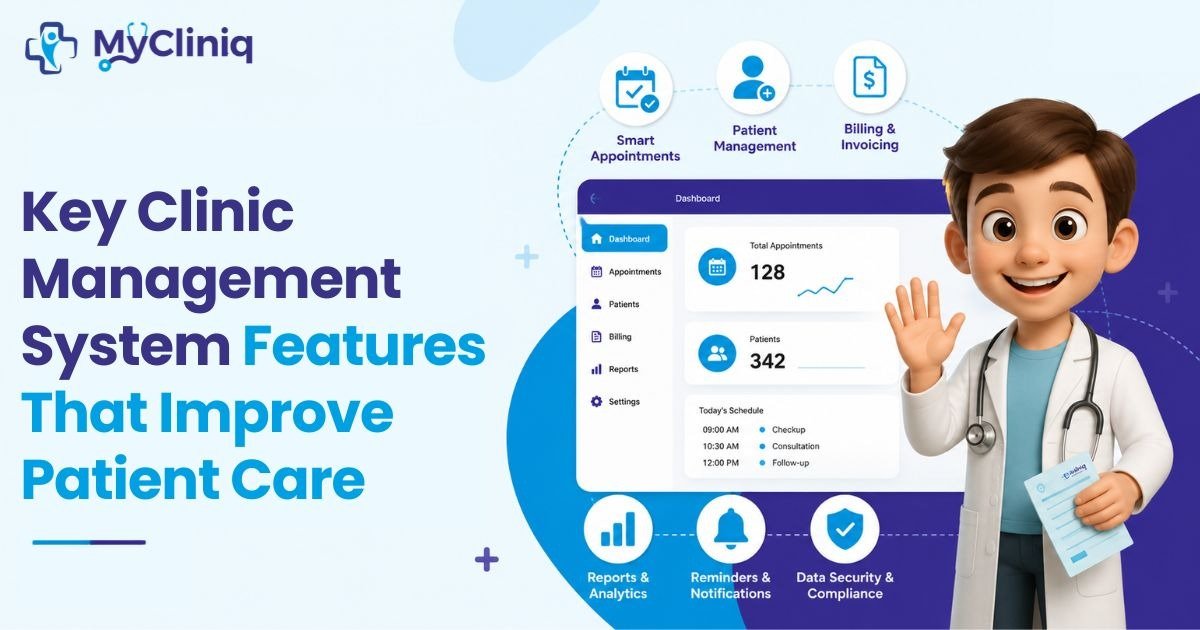
Key Features of Clinic Management Software
Patient Management
A strong patient management module includes:
- Electronic Medical Records (EMR/EHR)
- Complete patient history
- Treatment and prescription tracking
This ensures doctors always have accurate information during consultations.
Appointment & Scheduling
Modern clinics can’t rely on paper diaries anymore. Key features include:
- Online appointment booking
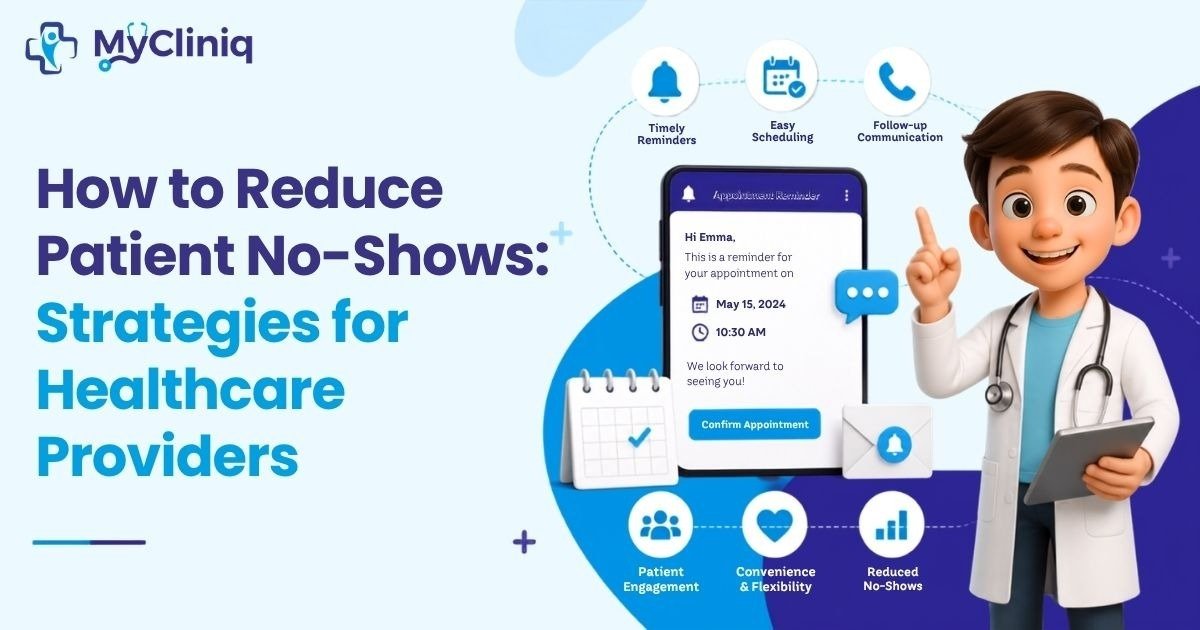
- Automated reminders via SMS, Email, or WhatsApp
- Reduced no-shows and scheduling conflicts
Billing & Payments
Billing mistakes directly affect clinic revenue. Good software supports:
- Automated invoicing
- Insurance claim handling
- Payment gateway integration (UPI, cards, online payments)
This also helps clinics avoid revenue leakage.
Staff & Role Management
Clinics manage multiple roles daily. The system allows:
- Doctor and staff scheduling
- Role-based access control
- Accountability and task clarity
Reports & Analytics
Data-driven clinics perform better. Reports help with:
- Revenue tracking
- Patient footfall analysis
- Operational insights
These insights help clinic owners make smarter decisions.
Why Clinics Can’t Ignore Clinic Management Software Anymore
Increasing Patient Load
Patient numbers are growing, but manual systems don’t scale. Clinics face:
- Appointment overlaps
- Long waiting times
- Higher error rates
The best software for clinic management handles growth without breaking systems.
Regulatory & Data Compliance
Healthcare regulations are becoming stricter. Digital records help with:
- Mandatory documentation
- Easy audits
- Data traceability
Non-compliance can lead to penalties and trust issues.
Patient Experience Expectations
Patients expect convenience. Today:
- Online booking is standard
- Fast billing matters
- Delays cause patient drop-offs
Clinics without digital tools risk losing patients to tech-enabled competitors.
Financial Leakage
Without proper tracking, clinics lose money through:
- Missed bills
- Untracked services
- Poor revenue visibility
Software ensures every service is accounted for.
Problems Clinics Face Without Management Software
Clinics that avoid digital systems often struggle with:
- Appointment overlaps and frequent no-shows
- Lost or incomplete patient records
- Billing errors and revenue loss
- Staff inefficiency and confusion
- Zero visibility into clinic performance
These problems grow as the clinic expands.
Benefits of Using Clinic Management Software
Here are clear, snippet-ready benefits:
- Centralized clinic operations
- Faster patient handling
- Improved revenue control
- Better patient satisfaction
- Data-driven decision making
This is why clinics searching for the best clinic mangement software are increasing every year.
Who Should Use Clinic Management Software?
Types of Clinics
Clinic software isn’t limited to one specialty. It’s useful for:
- Single-doctor clinics
- Multi-specialty clinics
- Diagnostic centers
- Dental clinics
- Specialty practices
For example, dental practices often look for the best dental clinic management software, while animal hospitals prefer the best software for managing a veterinary clinic due to unique workflows.
Clinic Size
The software adapts to different clinic sizes:
- Small clinics need basic automation
- Growing practices need scalability
- Enterprise setups need advanced reporting and integrations
Even clinic inventory management software becomes critical as clinics grow and manage medicines, supplies, and equipment.
Is Clinic Management Software Secure?
Security is a top concern in healthcare. Good systems provide:
- Data encryption
- Role-based access control
- Regular automated backups
- Compliance with healthcare data standards
Cloud providers also invest heavily in cybersecurity, often more than individual clinics can afford.
Cost of Clinic Management Software
The cost depends on multiple factors. Common pricing models include:
- Subscription-based pricing (monthly or yearly)
- One-time license models
Pricing usually depends on:
- Number of users
- Features required
- Customization needs
Clinics should focus on value, not just price. The best software for clinic management often saves more money than it costs.
Why Clinic Management Software Is No Longer Optional
Clinic management software is no longer a “nice-to-have.” It’s a basic requirement. Digital operations are now the baseline, not an innovation. Clinics that delay adoption risk losing patients, revenue, compliance control, and long-term growth. The future of healthcare belongs to clinics that operate smart, connected, and data-driven systems.